Bisphenol-A
Canned foods – miracle or menace?
Canning food first started in the early 19th century and was a huge step for the food industry. Canning enabled foods to be stored for much longer, processed quickly, transported with minimal damage and so helped reduce wastage. Prior to this foods were bottled, but less efficiently so. Funnily the can opener wasn’t invented for a further 80 years and the thick cans had to be hammered open with a knife.
Today’s cans, by comparison are thin, light, reliable and many have an easy open ring pull – no hammering or tin openers required. There have been some health concerns regarding canned food though – mainly surrounding the use of a substance called Bisphenol-A used in the lacquer that acts a barrier between the metal of the can and the food.
Is there Bisphenol-A in my canned food?
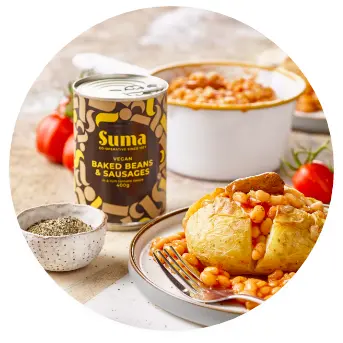
The simple answer is that there will be minute trace amounts. Without the lining, the cans would corrode and the contents (especially acidic food like tomatoes) would react with and leech metal from the can itself. Sadly, there is no commercially available alternative that we’ve found, so if you know of one we’d like to know. Guidance for consumers is available from the Food Standards Agency .
You can reduce the opportunity for any contamination from cans entering your food by:
- once a can is opened empty the contents into a bowl and store in the fridge
- don’t use to store food in cans or re-use them
- store cans in a cool dry place and use the oldest first
- throw away dented, rusting or bulging cans
Studies, advice and allowable levels
Bisphenol-A is a catalyst used in the creation of the plastics used to line cans. It’s been tested many times for safety, and government scientists have agreed a level below which it’s regarded as having no effect on human health. In early 2009, there was a study that claimed this level was erroneous and after a sudden outcry the government reduced the legal maximum level to a tenth of the previous levels. Suma canned products were below that new level, as were most of the cans on the market at the time.
After the above action was taken, various groups were commissioned to do more testing by governments and the results in the study mentioned were unable to be replicated. The acceptable levels of bisphenol-A were returned to their previous levels after this testing as all the evidence said that it was safe at that level.
All the scientific advice we can find, barring the odd scare reported in the newspapers with their legendary selectiveness, is that the acceptable levels are far above what’s in the linings of our cans and we are seeking something more acceptable. Glass jars are a consideration, but there’s a risk of food contamination when breakage occurs, there’s food-grade plastic underneath the lid to prevent corrosion, and it puts more carbon into the atmosphere due to increased weight of product. Tetra packs and pouches might not weigh as much but their layered composition means the packaging is difficult to recycle and, again are carbon and water heavy in their production.
If anyone does have a viable alternative for pre-cooked beans, soups, and vegetables in cans, we’re quite open to suggestions.
As one of my colleagues says, if you are concerned there are plenty of dried beans on the market and apart from requiring a little soaking before cooking, and therefore more preparation time, they’re just as good.
Popularity: 1% [?]